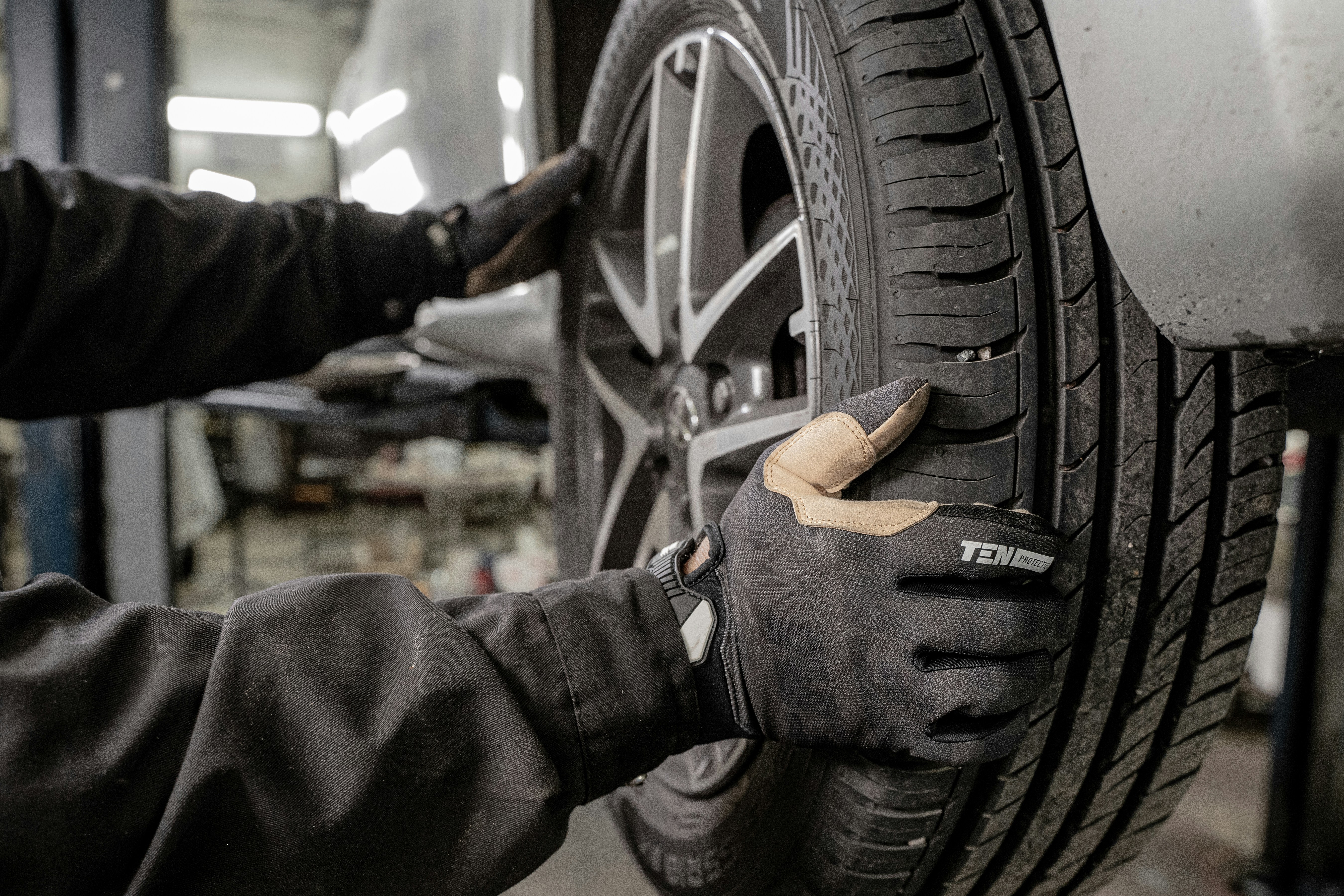
Introduction to Tire Mounting and Balancing
Tire mounting and balancing are critical processes in maintaining vehicle safety and performance. Tire mounting refers to the installation of a tire onto a rim, ensuring that it is securely fitted for optimal driving conditions. This process requires careful attention to avoid damage to the tire or rim and to achieve a proper seal, which is crucial for preventing air leakage.
During the tire mounting process, technicians must first remove the existing tires and assess both the wheels and new tires for any defects. The new tire is then placed onto the rim, and a machine is used to ensure the tire is seated correctly. It is vital that the technician follows the manufacturer's specifications to ensure compatibility and safety.
On the other hand, tire balancing involves adjusting the distribution of weight around the tire and wheel assembly. An unbalanced tire can lead to uneven tire wear and vibrations, which not only affect the comfort of the ride but can also impact steering and suspension components. Balancing ensures that the weight of the tire is evenly distributed, which helps in maintaining a smooth ride and prolonging the life of both the tires and vehicle parts.
Both processes are essential for ensuring that a vehicle operates efficiently and safely. Regular tire maintenance, including mounting and balancing, minimizes the risk of related issues, such as poor handling, excessive tire wear, and the potential for blowouts. Understanding these processes will illuminate the subsequent discussion on the costs associated with tire mounting and balancing services, emphasizing their importance to overall vehicle performance and safety.
Factors Influencing the Cost of Mounting Tires
When considering the cost of mounting tires, several key factors come into play that can significantly affect the final price. One of the primary considerations is the type of tires being purchased. Tires vary widely in size, design, and intended use; for instance, passenger vehicle tires generally cost less to mount compared to larger truck or specialty tires such as performance or all-terrain varieties. The complexity of the mounting process also varies by tire type, influencing labor time and costs. In some cases, tires may require specific tools or techniques, particularly if they are designed for high performance or have unique tread patterns.
Labor costs are another essential factor that influences the overall expense of the mounting service. Different service shops or tire centers may charge varying rates based on their geographic location and the level of expertise of their technicians. For example, urban shops may have higher costs due to increased overhead but may also offer more competitive pricing due to higher demand for tire services. Conversely, rural locations might have lower prices, but fewer options may limit competitiveness in service offerings.
Additionally, geographical variations impact pricing. Regions with harsher weather conditions may experience higher demand for tire changes seasonally, leading to fluctuations in pricing. Seasonal demand can lead to peak periods where labor and service charges increase. Furthermore, promotions or bundled service packages offered by some tire retailers can provide cost savings that may offset standard pricing. Overall, understanding the diverse factors that can influence tire mounting costs can help consumers make more informed decisions about where and when to have their tires mounted.
Factors Influencing the Cost of Balancing Tires
Balancing tires is a critical aspect of vehicle maintenance that directly affects performance and safety. The cost to balance tires can vary significantly, influenced by multiple factors. Firstly, it is essential to distinguish between tire mounting and balancing; the former involves installing the tire on the wheel rim, while balancing focuses on distributing the weight of the tire evenly around the wheel. This distinction is crucial, as balancing typically requires more specialized equipment and expertise, which can contribute to higher labor costs.
Technology plays a major role in the cost of tire balancing. Modern tire balancing machines utilize advanced technology such as computer-aided systems. These machines offer precision in identifying imbalances and require skilled technicians to operate them effectively. The investment in such technology can increase service prices, but it greatly enhances the accuracy of the balance and, consequently, improves vehicle handling and tire longevity.
The precision of balancing is also a significant factor impacting costs. Tires that are not properly balanced can lead to uneven wear, increased fuel consumption, and a compromised ride quality. In some cases, if the tire balancing is performed inaccurately, it may even necessitate early replacements. Thus, investing in quality balancing services can save costs in the long run by extending the life of the tires.
Finally, the geographical location and the service provider selected can vary pricing. Urban areas often have higher labor rates than rural settings due to the cost of living. As a result, when considering the cost of balancing tires, consumers should evaluate the reputation, equipment quality, and expertise of the service provider to ensure an optimal investment in their vehicle’s performance.
Average Costs for Mounting and Balancing Tires
When it comes to the cost of mounting and balancing tires, the price can vary significantly based on several factors, including the type of vehicle, region, and the service provider. Typically, for standard passenger vehicles, the average cost for mounting and balancing a set of four tires ranges from $50 to $100. This cost often covers the labor involved in removing old tires, installing new ones, and subsequently balancing them to ensure smooth performance.
For larger vehicles, such as SUVs or trucks, the costs can increase due to the added weight and complexity in handling these tires. Generally, the price for mounting and balancing services for SUVs and trucks falls within the range of $70 to $150. Specialty vehicles, such as sports cars or those equipped with performance tires, may also incur higher expenses. In these cases, it is common for service providers to charge $100 to $200, especially when high-performance or low-profile tires require additional care and expertise.
It is also essential to consider that certain fees might be added for specialized services. For instance, if tire pressure monitoring systems (TPMS) need to be recalibrated or if there are additional charges for environmental disposal of old tires, these can inflate the final bill. Likewise, appointment schedules, such as walk-in services versus appointments, may influence pricing as well. Therefore, it is prudent to inquire about any potential extra costs before proceeding with tire mounting and balancing to avoid unexpected expenses.
DIY vs Professional Tire Mounting and Balancing
When it comes to mounting and balancing tires, vehicle owners often face a decision between performing these tasks themselves or hiring a professional service. Each option has its advantages and disadvantages, and understanding these can help individuals make an informed choice.
One of the primary benefits of a DIY approach is cost savings. By purchasing the necessary tools and equipment, such as a tire changer and a wheel balancer, individuals can avoid the labor costs associated with professional services. Additionally, owning your equipment can be a long-term investment, especially for those who frequently change tires seasonally. However, the initial expense of this equipment can be significant, and proper technique is crucial to ensure safety and efficacy.
Furthermore, tire mounting and balancing require specific skills and knowledge. Improperly mounted or balanced tires can lead to numerous issues, including uneven tire wear, vibrations while driving, and even safety hazards. Although there are many online resources and tutorials available to aid those who opt for a DIY method, the learning curve may be steep for beginners. It is essential to approach this process with caution and an understanding of the mechanics involved.
On the other hand, utilizing a professional service offers peace of mind. Experts in tire mounting and balancing possess the necessary training and experience to perform these tasks correctly, thereby minimizing the risk of errors. Most professional shops also use advanced equipment that can result in superior accuracy compared to DIY setups. While the financial outlay for professional services can be higher, the potential for time savings and enhanced safety is often worth it for many vehicle owners.
In conclusion, whether to undertake tire mounting and balancing as a DIY project or to engage professional services will depend on an individual’s budget, skill level, and the importance of safety and efficiency in tire performance.
Importance of Proper Tire Mounting and Balancing
Proper tire mounting and balancing are critical processes that directly influence vehicle safety, performance, and longevity. When tires are mounted correctly, they fit securely on the wheel, ensuring that they rotate in conjunction with the wheel and maintain precise alignment. This alignment is essential as it contributes to even tire wear, which is vital for achieving optimal contact with the road surface. Failure to properly mount tires can lead to uneven wear patterns, causing the tires to degrade faster than expected, increasing the frequency of replacements.
Furthermore, when tires are unbalanced, it can result in a variety of adverse effects on vehicle performance. An unbalanced tire will cause vibrations when driving, which can be uncomfortable and distracting for the driver. More importantly, these vibrations can lead to premature wear on other components of the vehicle, such as suspension parts and wheel bearings. Consequently, investing in proper tire balancing not only enhances ride comfort but also extends the lifespan of these crucial components.
Neglecting tire mounting and balancing can have serious safety implications as well. For instance, improperly mounted tires can result in decreased vehicle handling, particularly under challenging road conditions. Drivers may find it difficult to control the vehicle during emergency situations, increasing the risk of accidents. Additionally, unbalanced tires may lead to a higher likelihood of blowouts, which can pose a significant hazard to both the driver and others on the road.
In summary, proper tire mounting and balancing are essential for ensuring vehicle safety, enhancing fuel efficiency, and extending tire life. By investing the time and resources into these processes, vehicle owners can help prevent various issues and maintain the performance and reliability of their vehicles for years to come.
Additional Services Related to Tire Installation
When considering the cost to mount and balance tires, it is essential to recognize that this service often comes bundled with additional offerings that play a significant role in overall tire maintenance and vehicle performance. One of the key services related to tire installation is a wheel alignment check. Maintaining proper wheel alignment is crucial for ensuring that your vehicle handles correctly, improves tire longevity, and maximizes fuel efficiency. Misalignment can result from various factors, including hitting potholes or curbs, and it can lead to uneven tire wear.
Tire rotation is another service frequently recommended alongside mounting and balancing. This practice involves relocating tires from one position on the vehicle to another in order to promote even wear across all tires. Most manufacturers advise rotating tires every 5,000 to 8,000 miles. By adhering to this schedule, drivers can extend the lifespan of their tires and enhance road safety, avoiding issues that arise from uneven tire wear.
Additionally, valve replacement is often an integral part of tire service. The tire valve, responsible for maintaining air pressure, can deteriorate over time. A damaged valve can lead to air leaks, compromising tire integrity. During the tire installation process, technicians typically inspect the valves and may recommend replacement if necessary. This proactive approach ensures optimal tire inflation, which is vital for vehicle performance.
While each of these services may incur additional costs, they are undeniably beneficial for vehicle upkeep. Skipping these services might save money in the short term, but the long-term effects can lead to premature tire replacement and other costly repairs. Overall, integrating these associated services with tire mounting and balancing can lead to significant savings and enhance safety on the road.
How to Choose the Right Shop for Tire Services
When it comes to tire mounting and balancing, selecting the right shop can significantly impact the safety and performance of your vehicle. A reputable tire service shop should have best practices and standards in place to ensure high-quality service.
First and foremost, consider the shop's certifications. A facility that holds certifications from recognized organizations, such as the Tire Industry Association (TIA) or the American Automobile Association (AAA), demonstrates that they adhere to industry standards. These certifications not only indicate a level of expertise but also a commitment to ongoing training and education in tire services.
Next, examine customer reviews and testimonials. Online platforms such as Google, Yelp, and even social media can provide insights into the experiences of previous customers. Look for reputable shops with consistently positive feedback and a good reputation for their mounting and balancing services. Conversely, be cautious of shops with numerous negative reviews, particularly regarding customer service or quality of work.
An essential aspect to review is the warranty offered by the tire service shop. A comprehensive warranty can offer you peace of mind as it indicates the shop's confidence in its work. Inquire about what the warranty covers and its duration. A reliable shop should provide clear information regarding the warranty terms before you agree to service.
Finally, pay attention to the equipment used in the shop. Shops that employ modern, well-maintained equipment are more likely to deliver precise tire balancing and mounting. Outdated tools can lead to inaccurate results, undermining the performance and lifespan of your tires. Therefore, visiting the shop in advance to observe their processes can be beneficial in your decision-making process.
Conclusion: Weighing the Costs and Benefits
In summary, understanding the cost to mount and balance tires is essential for vehicle owners aiming to maintain optimal safety and performance. Properly mounted and balanced tires not only enhance your vehicle's handling and comfort but also significantly extend the life of your tires, promoting cost-effectiveness in the long run. Various factors contribute to the overall cost, including geographic location, type of service provider, and the specific tires in use. For instance, while independent shops may offer competitive rates, dealerships often provide specialized expertise that could be advantageous.
Moreover, the balance between spending and quality is crucial. Choosing a lower-cost option may save money initially but could lead to negative consequences such as uneven tire wear or diminished fuel efficiency. Thus, prioritizing quality in service is invaluable. Regular maintenance, including the timely balancing and mounting of tires, plays a pivotal role in enhancing overall vehicle performance and ensuring the safety of all passengers. Safety should always come first when considering tires, as subpar maintenance could lead to hazardous driving conditions.
Ultimately, the decision regarding where and how much to spend on tire services should be made with full comprehension of the underlying effects it may have on your vehicle's functionality. By investing wisely in tire care, vehicle owners can enjoy smoother rides, improved fuel efficiency, and a longer lifespan for their tires. It is a worthwhile consideration to routinely evaluate both the financial implications and service quality to ensure a safe and efficient driving experience.